About
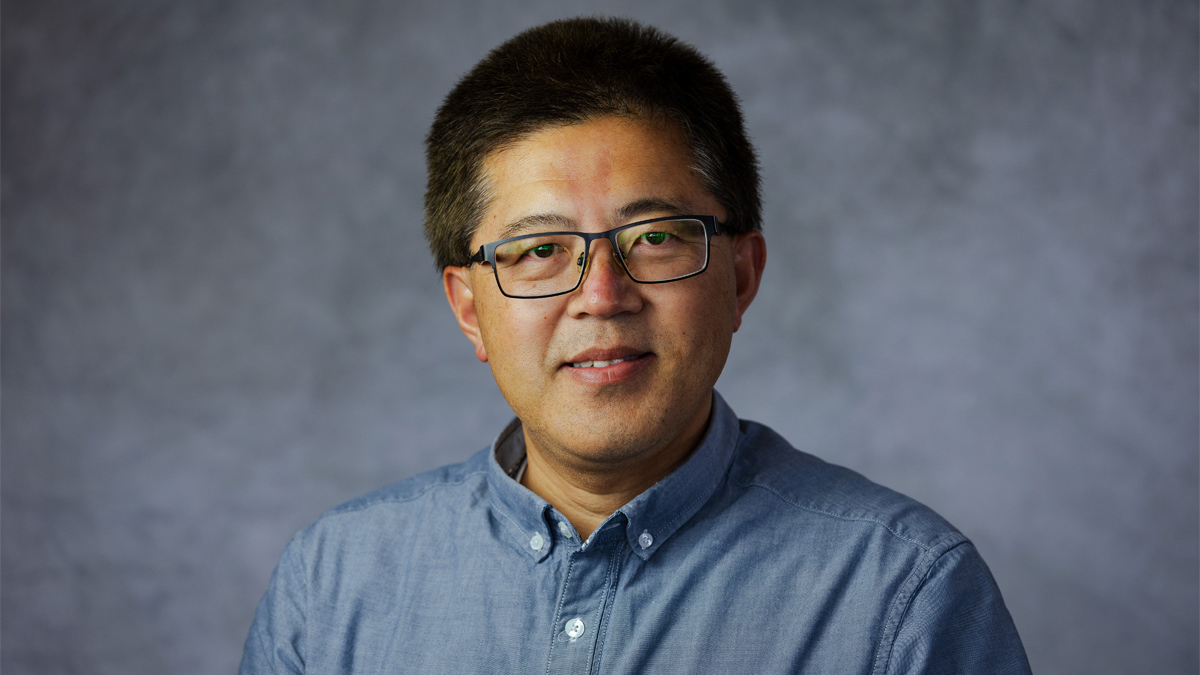
Erin Teich is an Assistant Professor in the Department of Physics and Astronomy at Wellesley College, where she conducts research at the intersection of soft matter physics and academic equity. Her work investigates emergent behavior in complex systems through entropy, geometry, and network science while simultaneously analyzing gender disparities in scientific citation practices. She teaches undergraduate courses including PHYS 107 (Principles and Application of Mechanics) in an innovative studio format and PHYS 305 (Statistical Mechanics and Thermodynamics).
Her educational background includes:
- B.S. in Physics from Brown University
- Ph.D. in Physics from the University of Michigan
Dr. Teich's research spans soft matter physics—focusing on colloidal self-assembly, jammed systems, and white matter architecture in the human brain—and gender equity studies examining citation biases against women in physics journals. Her lab employs numerical simulation, statistical physics, and network science to model material behaviors while advocating for inclusive scholarly practices. She emphasizes creating respectful learning environments that empower students to engage fearlessly with scientific concepts.
Analysis of her 2019-2023 publications reveals dual trajectories: foundational soft matter research (colloidal crystallization, particle shape effects, structural memory in glasses) and impactful equity studies (citation inequity, publication biases). Her physics work leverages computational models to design responsive materials, while her sociological research uses bibliometric analysis to quantify systemic biases and propose solutions for fairer scientific recognition.
Scientific Awards:
No specific awards were documented in the provided materials.
Advising and Grants:
Dr. Teich mentors undergraduate researchers in computational physics projects related to soft matter and equity studies. Her active publication record indicates successful research funding, though specific grants aren't detailed. She integrates her research into teaching through studio-style courses that foster student belonging and inquiry-driven learning in physics.
Labs and Teams:
Her research group combines statistical mechanics and network science to model soft materials, collaborating with neuroscientists on brain architecture studies and social scientists on citation network analysis. This interdisciplinary approach enables holistic investigation of both physical phenomena and social structures within scientific communities.