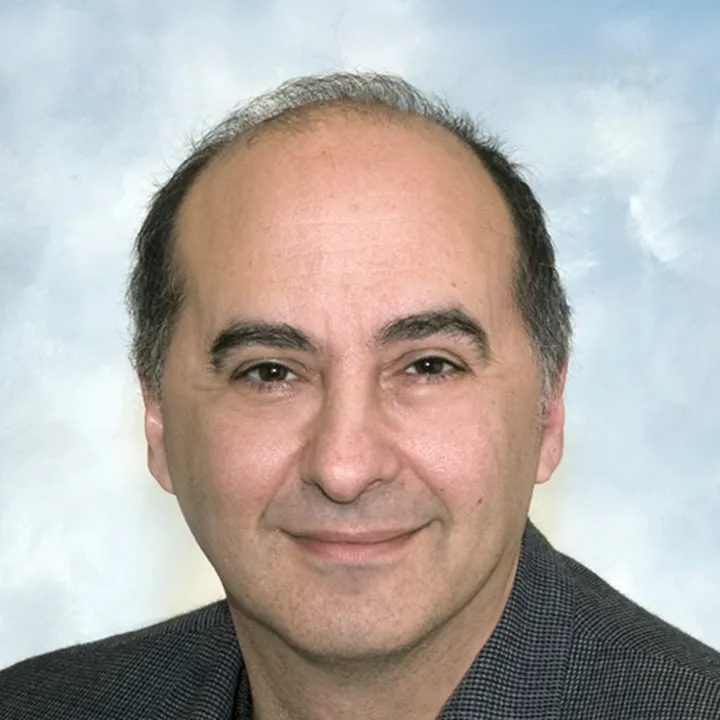
About
Douglas Rothman is Professor of Radiology and Biomedical Imaging and of Biomedical Engineering at Yale School of Medicine, where he serves as Co-Director of the MRI Research Center. He directs the Magnetic Resonance Research Center (MRRC), which supports NIH-funded work of over 70 Principal Investigators and 13 program project grants. His academic career spans from earning his PhD at Yale University in 1987 to his current leadership position in advanced imaging research.
Dr. Rothman has an international reputation as a leader in developing novel MR methods for studying brain, liver, and muscle metabolism and function. His research focuses on imaging glutamate and GABA neurotransmission, brain energy metabolism, and liver and muscle glycogen and glucose metabolism. He has pioneered multiple MR 'firsts' in metabolic imaging techniques that have advanced the field of bioimaging science.
His recent publications (2024-2025) demonstrate a strong focus on brain metabolism across various conditions including obesity, aging, PTSD, and diabetes. His work integrates advanced MRI techniques with metabolic research to understand fundamental brain processes and their alterations in disease states. The publications reveal a consistent theme of investigating metabolic pathways, neurotransmission, and energy homeostasis using cutting-edge imaging methodologies.
Dr. Rothman is actively supported by two R01 grants and serves as a named mentor on five K awards. His research collaborations span numerous institutions and disciplines, with frequent co-authorship with experts in neuroscience, metabolism, and imaging technology. His work has significant implications for understanding metabolic disorders and developing new diagnostic and therapeutic approaches.
As an educator and mentor, he has served as the primary mentor for six postdoctoral fellows (all of whom have gone on to faculty positions at major research institutions) and two students. He also provides informal mentorship to many junior and mid-level faculty members in the use of MR technology for their research. His leadership extends to multiple research initiatives including the Deuterium Metabolic Imaging program, Diabetes Research Center, and the Yale Biomedical Imaging Institute.