About
David Blight serves as Sterling Professor of History, Black Studies & American Studies at Yale University and directs the Gilder Lehrman Center for the Study of Slavery, Resistance, and Abolition. Previously teaching at Amherst College for thirteen years, he remains a leading scholar on Civil War memory, Reconstruction, and African American intellectual history with extensive public engagement.
His academic foundation includes:
- Ph.D. in History from University of Wisconsin-Madison (1985)
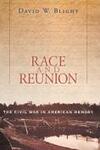
Blight's research interrogates how Americans memorialize pivotal historical events, particularly regarding race and national identity. He examines slavery's legacy through Frederick Douglass's life, Civil War narratives, and emancipation stories, emphasizing African American agency in shaping historical consciousness. His work bridges academic scholarship and public understanding through accessible writing and lectures.
His publications reveal consistent thematic depth in Civil War memory studies, with evolving focus from Reconstruction-era narratives to contemporary resonance of historical events. Recent works analyze sesquicentennial commemorations and institutional slavery legacies, maintaining rigorous attention to primary sources and cultural impact across all output.
Major recognitions include:
- Bancroft Prize
- Abraham Lincoln Prize
- Frederick Douglass Prize
- Merle Curti Prize for Intellectual History
- Merle Curti Prize for Social History
Blight mentors graduate students while securing research support including a New York Public Library Cullman Center fellowship (2006-07). He actively shapes historical discourse through National Park Service educator programs, Fulbright appointments, and textbook authorship for broader educational impact.
Leading the Gilder Lehrman Center, he coordinates international conferences, the Frederick Douglass Book Prize, and public outreach initiatives. His collaborations with Monticello, New York Historical Society, and documentary film projects like PBS's "Africans in America" demonstrate commitment to democratizing historical scholarship.