About
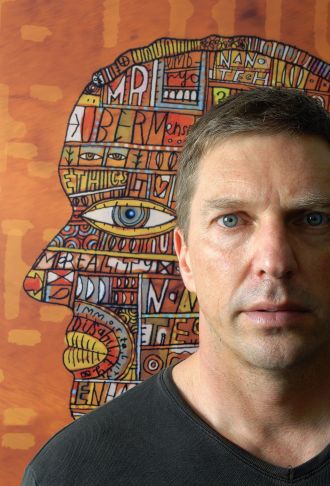
Charles Foster is a Visiting Professor at the University of Oxford’s Law Faculty, a Senior Research Associate at the Oxford Uehiro Centre for Practical Ethics (Faculty of Philosophy), and a Research Associate at the Ethox Centre (Nuffield Department of Public Health). He holds affiliations with the Health, Law and Emerging Technologies Centre (HeLEX) and the Oxford Human Rights Hub. Additionally, he serves as a part-time judge in the Crown and County Courts and is a Senior Supernumerary Fellow at Exeter College. His PhD from the University of Cambridge focused on legal approaches to autonomy and dignity in medical decision-making.
His research explores legal anthropology, integrating insights from biology, moral philosophy, epistemology, neuroethics, and theology to inform medical law and ethics. Key themes include human identity, autonomy limitations, dignity’s role in law, and intuition-driven moral reasoning. He has contributed to landmark cases involving assisted dying, medical treatment withdrawal, and clinical negligence.
Foster’s academic collaborations span global scholars, and he authored over 14 books, including *Human Dignity in Bioethics and Law* and *Medical Law: A Very Short Introduction*. His non-academic works, like *Being a Beast*, blend narrative and philosophical inquiry into human-animal relations, earning accolades such as the IgNobel Prize and Baillie Gifford longlisting. He advises doctoral students in medical ethics and law, with current research focusing on relational personhood and edge notions in legal contexts.
His awards include the IgNobel Prize (2016), Deux Millions d’Amis Literary Prize, and recognition as a leading practitioner in medical law. His work influences judicial decisions, exemplified by citations in UK Court of Appeal rulings.