
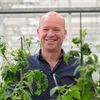
Bart Thomma
Research Professor · Plant Pathology
Max Planck Institute for Plant Breeding ResearchAbout
Bart Thomma is a Research Professor at the Institute for Plant Sciences, University of Cologne, where he leads investigations into plant-fungal pathogen interactions. He currently serves as deputy speaker of CEPLAS (Cluster of Excellence on Plant Sciences), helping shape future research directions in European plant science. His work integrates molecular biology, genomics, and microbiome studies to understand how pathogens manipulate host plants.
Thomma's research focuses on:
- Molecular mechanisms of fungal pathogenicity in plants
- Effector protein evolution and host colonization strategies
- Microbiome manipulation by pathogens to suppress competitors
- Chromatin organization in fungal genome evolution
- Plant immune receptor recognition systems
Analysis of Thomma's recent publications reveals consistent focus on fungal effector proteins and their roles in suppressing plant immunity and manipulating microbiomes. His 2020-2024 work demonstrates increasing emphasis on 3D genome organization and broad-spectrum antimicrobial activities in pathogens. The research bridges fundamental fungal biology with applied plant protection strategies.
Thomma leads a research group within CEPLAS that collaborates with European plant science institutes. His future goals include developing integrated approaches to optimize plant performance under environmental stress and expanding CEPLAS's research network through strategic alliances with institutions like Wageningen University and John Innes Centre.
Find Bart Thomma elsewhere
Related Searches
You Might Also Like
- DDavid Torres SanchezWageningen University & Research · Researcher
 Jinyi ZhuMax Planck Institute for Plant Breeding Research · Researcher
- PPietro SpanuImperial College London · Professor
 Krishna SubbaraoUniversity of California, Davis · Professor
- XXuan LiUniversity of Copenhagen · Research Fellow
 Alga ZuccaroMax Planck Institute for Plant Breeding Research · Professor