About
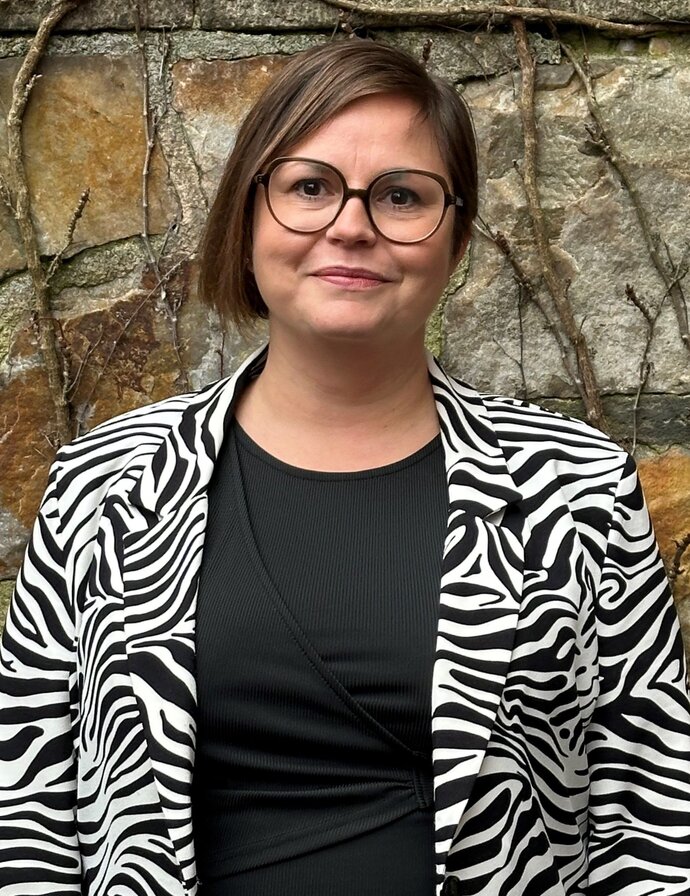
Anna Rypi is a Senior Lecturer at the School of Social Work, Lund University, with research concentrations spanning Sociology, Social Work, Criminology, and Gender Studies. Her work focuses on child and youth vulnerability, family dynamics, and victimology within Scandinavian social contexts, contributing to interdisciplinary understanding of social inequality and professional practices in welfare systems.
Her research centers on the complex boundaries of sibling violence, examining how professionals differentiate abuse from normal quarrels and the psychological impacts on children. She investigates ambivalent victim narratives among young men, exploring intersections of ethnicity, masculinity, and social exclusion, while also documenting male victimization experiences and coping mechanisms within criminal justice frameworks. This work critically engages with social vulnerability through lenses of power, identity, and institutional response.
Analysis of her 2019-2024 publications reveals consistent thematic threads: sibling violence as a critical yet underrecognized form of family harm, professional boundary-drawing in child protection systems, and gendered dimensions of victimization. Her scholarship bridges sociological theory with social work practice, emphasizing methodological rigor in studying sensitive topics like latent violence and narrative construction in victimology.
Scientific Awards: No awards documented in available sources.
Advising and Grants: Rypi co-led the 2019-2021 research project "Syskonvåld och syskonbråk - en studie av gränsdragningsproblematikens innebörd och konsekvenser" (Sibling Violence and Sibling Quarrels: A Study of Boundary-Drawing Problematics). No formal student advising relationships or major grant awards are specified in current records, though her collaborative work includes multi-institutional teams like the 171-researcher climate protest initiative.
Labs and Teams: While no dedicated laboratories are referenced, her research operates through Lund University's social work infrastructure with documented collaborations at Nordic conferences and national social work forums. Her fingerprint analysis indicates active networks in children's psychology, professional mediation, and boundary studies within Scandinavian welfare contexts.