About
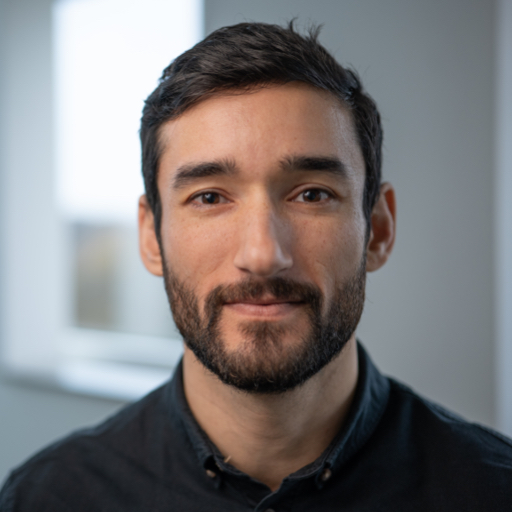
Amir Rostami is a Professor at Gävle University, specializing in criminology with a focus on organized crime, violent extremism, and street gangs. His research integrates sociological and policy-oriented perspectives to address contemporary security challenges in Sweden and globally. He holds a PhD from Stockholm University (2016) in sociology, with a dissertation titled Criminal Organizing: Studies in the Sociology of Organized Crime.
Research Interests: His work examines criminal networks, radicalization processes, policy interventions against gang violence, and the intersection of organized crime with public systems (e.g., welfare fraud). Notable areas include transnational extremism, lone actor terrorism, and the role of register data in crime analysis.
Publications: Over 30 peer-reviewed articles and reports, including studies on Swedish foreign fighters, cybercrime trends in Nordic countries, and the sociological underpinnings of gang violence. Recent work emphasizes preventive strategies for youth gang involvement and the economic dimensions of organized crime.
Awards & Recognition: While no formal awards are listed, his contributions to policy briefs for Swedish government bodies (e.g., SOU reports on welfare system protection) highlight his influence in shaping crime prevention strategies.
Grants & Collaborations: Active in interdisciplinary projects with institutions like the Swedish National Council for Crime Prevention and the Swedish Police Authority. Key collaborations include the PANTHER gang intervention model and studies on bidragsspärr (benefit fraud prevention).
Labs/Teams: Leads research teams analyzing crime data through mixed-method approaches, often collaborating with law enforcement and policymakers to bridge academic research with practical applications.