About
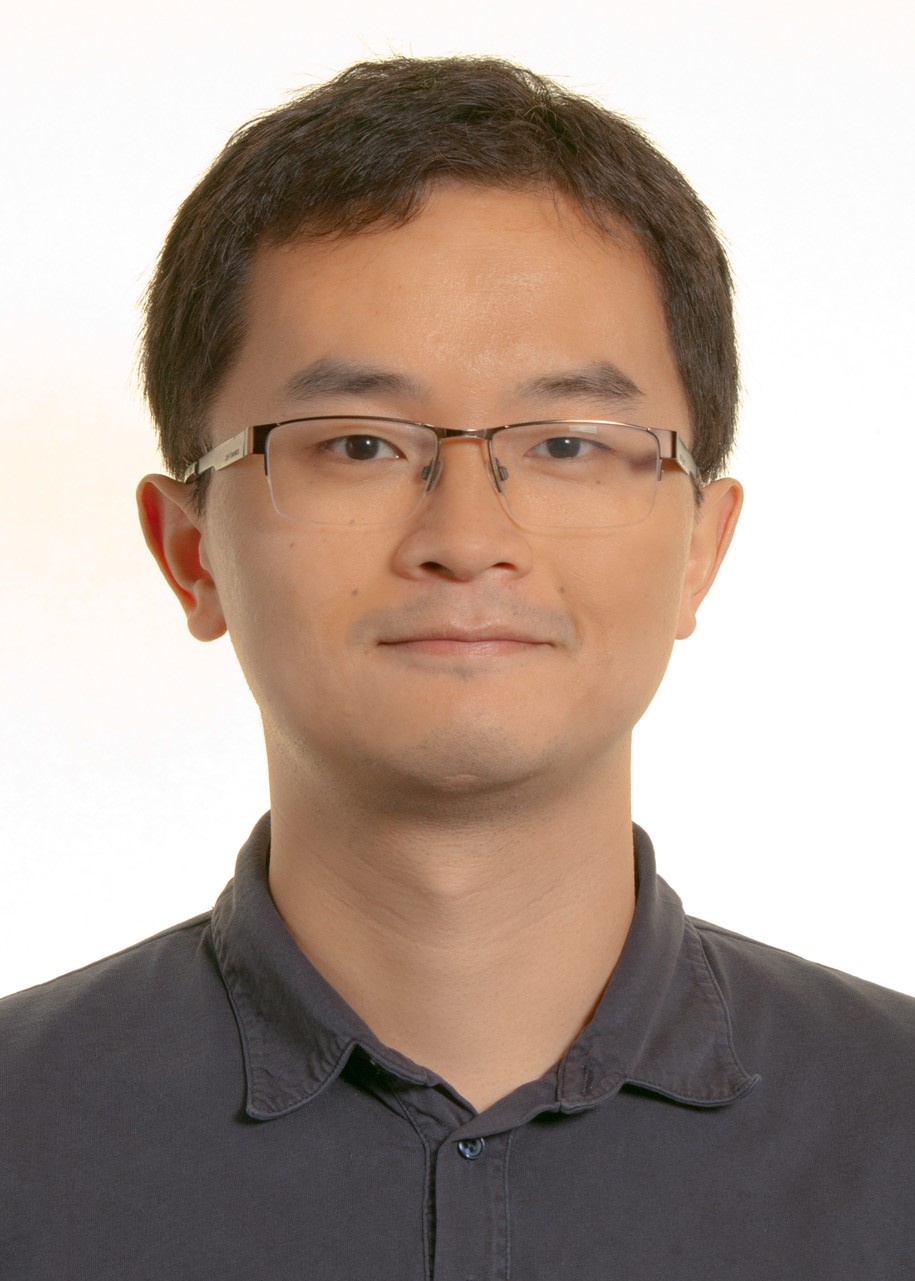
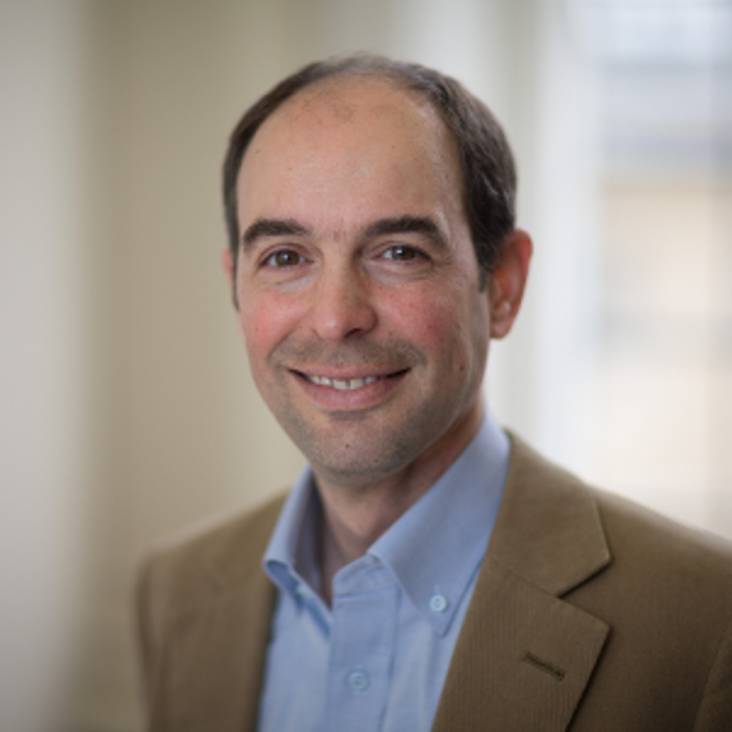
Alessandro Chiesa is a fixed-term researcher (equivalent to Assistant Professor) in the Department of Mathematical, Physical and Computer Sciences at the University of Parma, Italy. Since 2020 he has led theoretical activities within the spin-based Quantum Science (SQS) group, focusing on molecular nanomagnets for quantum technologies.
Education & Career
- Master Degree in Physics, University of Parma (2012)
- PhD in Physics, University of Parma (2016)
- Visiting Scientist, Jülich Forschungszentrum, Germany (2017)
- Post-Doc, Molecular Magnetism group, University of Parma (2016, 2018–2019)
- Research Associate, University of Parma (2020 – present)
- National Academic Qualification as Associate Professor in Theoretical Physics of Matter (2020)
Research Interests
Chiesa’s theoretical work spans condensed-matter physics, quantum information science, and molecular magnetism. He develops first-principles many-body models to describe molecular nanomagnets, explores their use as spin qudits for quantum computation and simulation, and investigates chirality-induced spin selectivity (CISS) to achieve room-temperature spin readout and initialization. His studies integrate advanced spectroscopy—inelastic neutron scattering and time-resolved EPR—with quantum-error-correction schemes and fault-tolerant architectures.
Scientific Awards
- European Award for Doctoral Thesis in Molecular Magnetism (2018)
- Galileo Galilei Award for Young Researchers – Rotary International (2018)
- Advances in Magnetism Award – AIP Advances (2021)
Teaching & Advising
Chiesa teaches graduate courses in Physics of Condensed Matter and Quantum Information and Computing to Physics and Computer Science master’s students. Office hours are held Monday and Tuesday 15:00–17:00 either in person at the Physics building or via Skype (appointment required).
Collaborations & Facilities
He collaborates closely with theorists at the Universities of Pavia and Modena, chemists and experimentalists at Manchester, Florence, Zaragoza, Barcelona, Freie Universität Berlin, and IBM, and conducts neutron experiments at the Institute Laue-Langevin (ILL) and ISIS Neutron & Muon Source.
Research fields